Rosa Lang · 17 September 2026
AI Integration and Regional Workshops Transform Education in Poland's Rural Communities
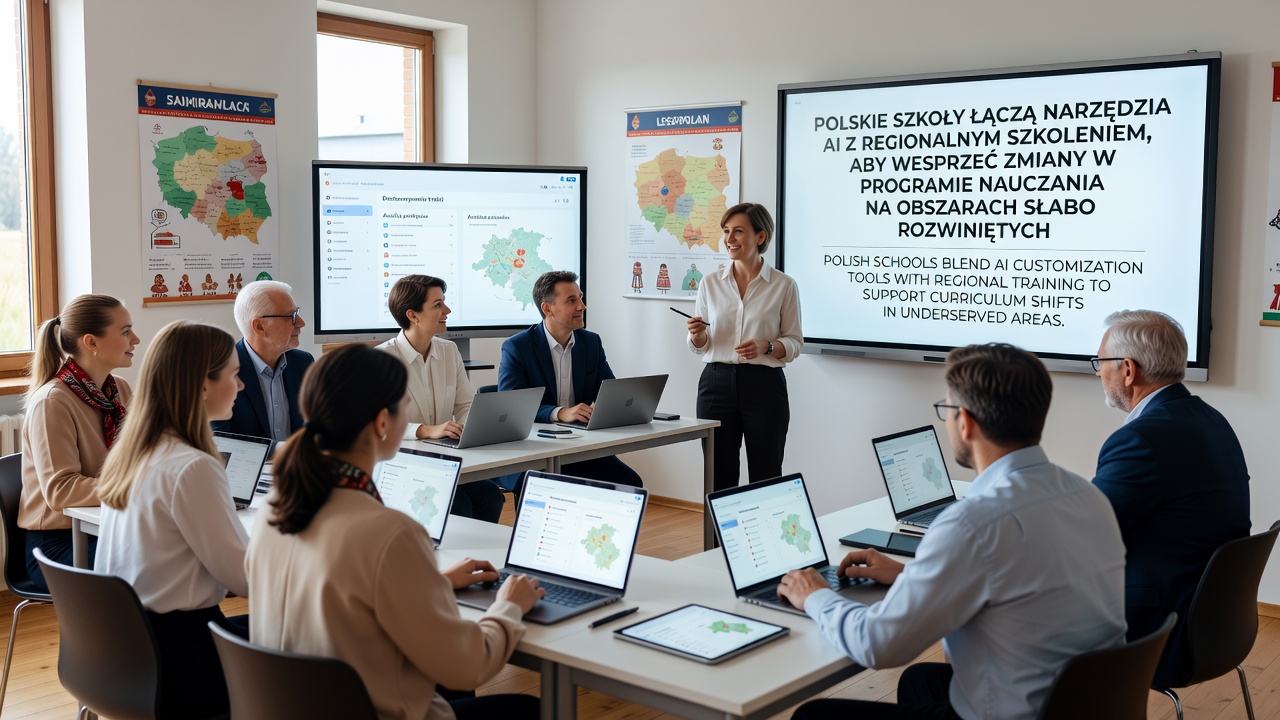
Polish schools in underserved regions have begun combining AI customization tools with localized training sessions to address curriculum changes that emphasize digital literacy and adaptive learning methods, and data from the Ministry of Education indicates that over 150 rural districts initiated these programs in early 2025. Regional training centers coordinate with school administrators to deliver workshops that teach educators how to adjust AI platforms for specific classroom needs, while curriculum updates scheduled for implementation require greater focus on personalized student pathways and technology integration across core subjects.
Expansion of AI Customization Tools in Underserved Districts
Schools in areas with limited broadband access and fewer teaching resources have adopted AI tools that allow real-time adjustments to lesson plans based on student performance metrics, and these platforms connect to existing national education databases to ensure alignment with updated standards. Training sessions held at regional hubs provide hands-on instruction on configuring these tools, which include features for generating differentiated content and tracking progress without requiring advanced technical expertise from teachers. Figures released by the Polish Central Statistical Office show that participation in such workshops increased by 40 percent between 2024 and 2025 in voivodeships with higher rural populations.
One district in eastern Poland reported that educators completed a six-week training cycle in March 2025 and subsequently integrated the tools into mathematics and language classes, resulting in measurable improvements in student engagement data collected through the platform itself. The approach avoids one-size-fits-all implementations by incorporating local curriculum priorities, such as regional history modules, into the AI-generated materials.
Role of Regional Training in Supporting Curriculum Shifts
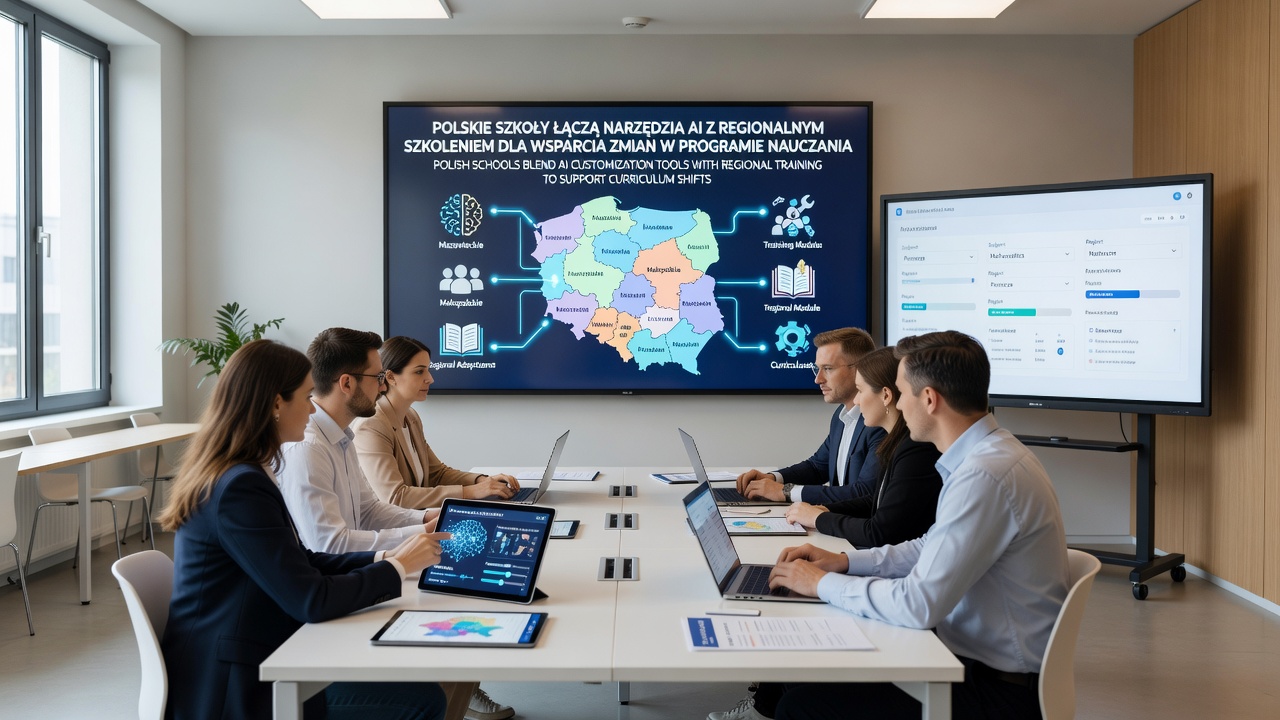
Regional training programs operate through partnerships between local education authorities and technology providers, delivering sessions that cover both technical setup and pedagogical applications tailored to the new curriculum framework. These workshops typically span multiple days and include follow-up virtual support to address implementation challenges in real classroom environments. Evidence from pilot evaluations conducted by the University of Warsaw's education research unit demonstrates that teachers who received combined AI and regional training reported higher confidence levels in meeting curriculum requirements compared to those who attended only online modules.
September 2026 marks the next major phase of rollout, when additional curriculum modules on environmental studies and civic education will require further customization, and training calendars already list expanded sessions for the fall term. Coordinators note that these programs emphasize practical exercises using sample data sets drawn from similar underserved schools, which helps participants anticipate common obstacles like intermittent internet connectivity.
Impact on Student Outcomes and Resource Allocation
Initial assessments indicate that students in participating schools show increased completion rates for adaptive assignments, according to aggregated platform analytics shared in quarterly ministry reports. Resource allocation has shifted as well, with regional centers receiving additional funding allocations to maintain training equipment and hire specialist facilitators. Studies from the European Commission's education monitoring project highlight similar patterns across several member states, where localized training paired with digital tools correlates with steadier adoption rates in remote areas.
Case examples include a network of five schools in the Podlaskie region that pooled resources for a shared training coordinator, which reduced per-school costs while maintaining consistent instruction quality. Data collected through the AI systems themselves has also informed decisions about where to direct supplementary teaching materials, creating a feedback loop between classroom activity and administrative planning.
Future Considerations for Broader Implementation
Observers note that scaling these blended approaches will depend on continued investment in both digital infrastructure and ongoing professional development opportunities. National plans call for evaluation checkpoints every six months through 2027, with particular attention to how AI customization affects equity across different socioeconomic groups. Reports from the OECD education directorate provide comparative context on how other countries manage similar transitions, underscoring the value of combining centralized tools with decentralized training structures.
Conclusion
Polish schools continue to refine the integration of AI customization tools with regional training as curriculum shifts progress, and available metrics suggest steady expansion into additional underserved communities. The model established thus far relies on coordinated efforts between national guidelines and local delivery mechanisms to maintain relevance and accessibility. Future phases scheduled around September 2026 will test the approach against new subject requirements while building on existing participation patterns.