Felix Patterson · 29 October 2026
Analytics Platforms Shift Oversight Patterns in Quest-Based Programs at Poland's Rural Schools
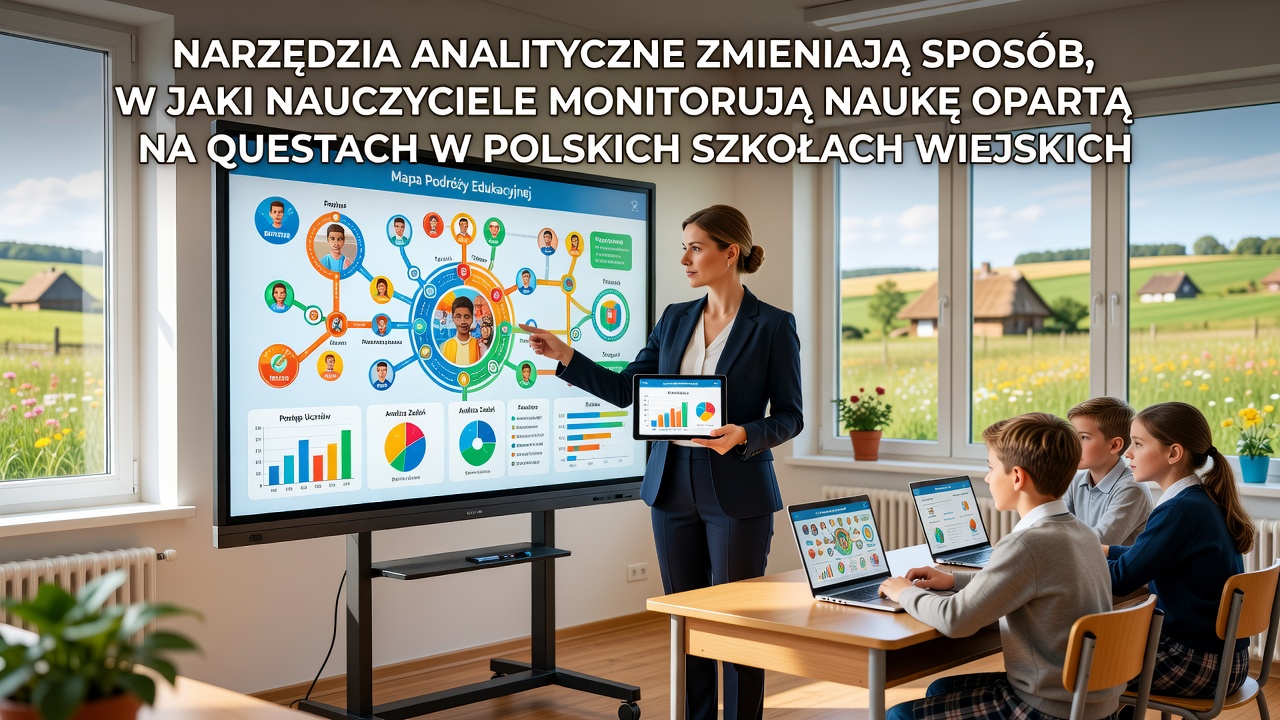
Schools in remote Polish regions have adopted analytics platforms that compile real-time data from quest-based modules and this shift allows educators to follow student advancement through structured learning paths without relying solely on periodic tests. Systems track completion rates, time spent on tasks, and interaction patterns across digital quests that cover subjects from history to environmental science. Data flows into centralized dashboards where patterns emerge around engagement levels and knowledge retention.
Core Features of These Monitoring Systems
Platforms aggregate information from multiple quest modules and they display progress indicators that update as students complete challenges or revisit sections. Teachers receive alerts when participation drops below certain thresholds while heat maps highlight areas where groups struggle with specific concepts. Integration with national curriculum standards ensures that quest outcomes align with required competencies and this connection lets schools maintain compliance during inspections.
Observers note that rural connectivity improvements since 2024 have supported smoother data transmission and schools now synchronize records daily rather than weekly. One implementation in the Podlaskie region showed how automated reports reduced manual grading hours by nearly forty percent according to internal school logs shared with regional education offices.
Regional Rollouts and October 2026 Updates
By October 2026 multiple counties in eastern and southern Poland had expanded access to these analytics suites and training sessions for staff focused on interpreting visual summaries rather than raw numbers. Workshops organized through local teacher networks demonstrated how to filter datasets by student cohort or quest type and participants practiced generating customized views that flag potential learning gaps early.
Figures from the Polish Ministry of Education indicate that over two hundred rural facilities now use at least one analytics layer within their quest environments. These numbers reflect a steady climb from earlier pilots and they coincide with broader EU-funded digital infrastructure projects that prioritize underserved areas.
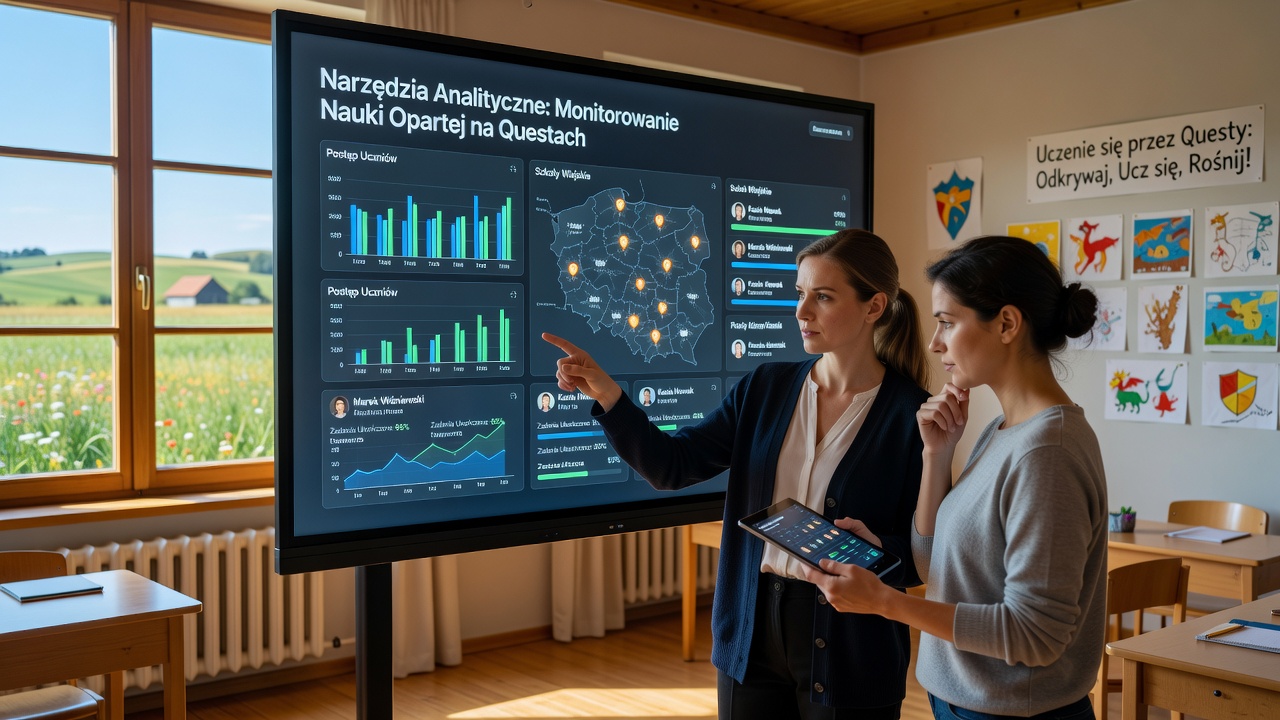
Take one district where administrators combined quest logs with attendance records and they discovered correlations between session timing and completion success rates. Adjustments to scheduling followed and subsequent terms recorded higher average quest finishes across participating classes.
Evidence from Broader Studies
Research compiled by the OECD education directorate highlights similar analytics adoption in other European rural contexts and Polish cases fit within those documented trends. Separate evaluations from the European Education and Culture Executive Agency track how data-informed interventions affect equity metrics in remote communities and results point to reduced variance in student outcomes when teachers intervene based on dashboard signals.
Yet implementation varies by school size and technical support availability. Smaller facilities often rely on shared regional servers while larger ones maintain on-site processing and both approaches feed into national reporting portals for aggregate analysis. This layered architecture keeps individual student details protected under existing data protection rules.
Practical Classroom Applications
Educators use filtered views to group students for targeted quest revisions and they adjust difficulty levels within modules when analytics show repeated attempts on the same challenge. Parent portals display simplified summaries of progress so families stay informed without accessing full datasets and these features have increased reported communication between homes and schools in participating regions.
One case from a village near the Carpathian foothills involved mapping quest navigation paths and teachers identified that certain branches led to quicker mastery of core skills. Curriculum teams later resequenced those branches for wider use while preserving optional routes for advanced learners.
Conclusion
Analytics integration continues to evolve in Polish rural quest-based settings and ongoing refinements focus on mobile access for teachers who split time across multiple locations. As more facilities connect and refine their data practices the emphasis remains on turning collected information into timely instructional decisions that support student advancement across varied geographic contexts.