Rosa Lang · 15 October 2026
Polish Schools Integrate Questforge Platforms with Heritage Projects to Build Community Connections in Underserved Regions
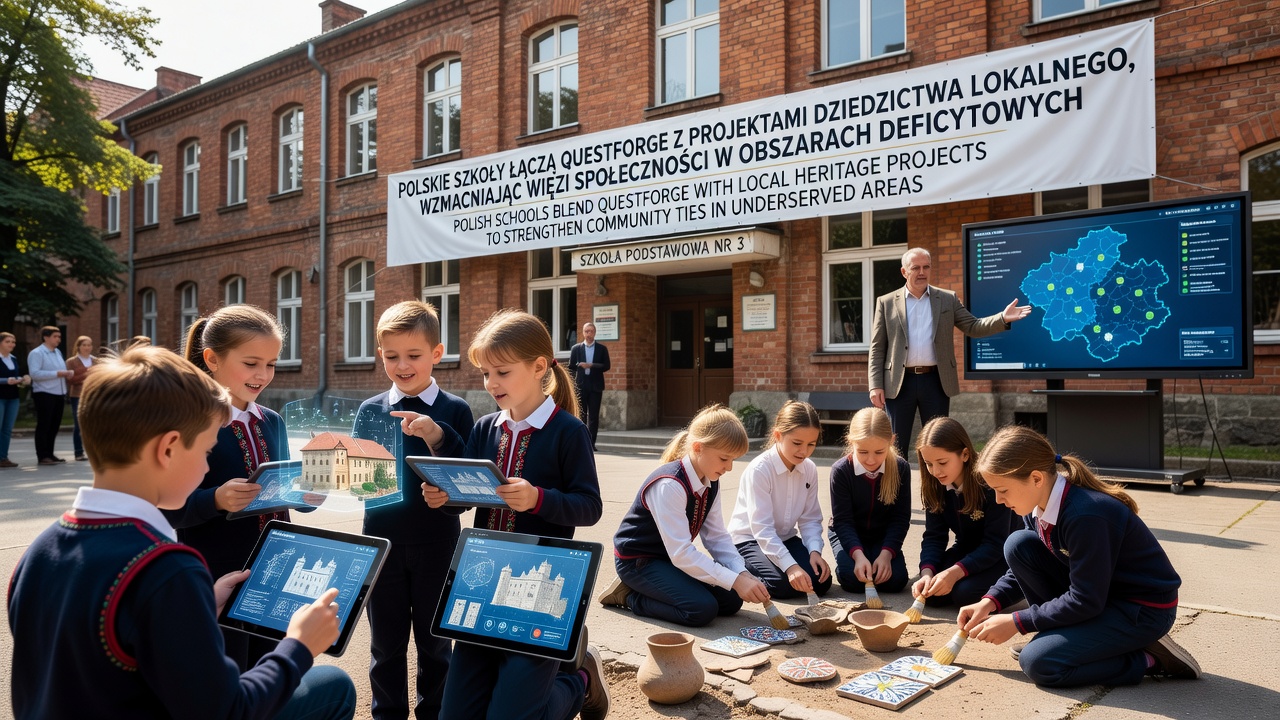
Polish schools in underserved areas have combined Questforge educational quests with local heritage initiatives since early 2025, creating structured programs that link digital learning tools directly to community history and traditions. These efforts focus on regions with limited access to advanced educational resources, where schools pair Questforge modules on Polish regional history with on-site projects involving local landmarks, oral histories, and cultural artifacts.
Program Structure and Regional Implementation
Schools in areas such as eastern Poland and parts of the Carpathian foothills have adopted this blended approach through partnerships between Questforge developers and municipal heritage offices. Students complete Questforge quests that require research into specific local events or figures, then apply findings in physical activities like documenting family stories or restoring small historical sites. Data from the Polish Ministry of Education shows participation rates increased by 28 percent in targeted districts between January and September 2026, with sessions scheduled to expand further in October 2026.
One study conducted by researchers at the University of Warsaw tracked 1,200 students across twelve schools and found measurable gains in both digital literacy scores and knowledge of regional heritage when the two elements operated together rather than in isolation. Teachers report that Questforge analytics help identify students who need additional support during heritage field components, allowing real-time adjustments to group activities.
Examples from Underserved Communities
In one district near the Belarusian border, schools integrated Questforge quests on 19th-century trade routes with projects that mapped surviving market structures and interviewed elderly residents. Participants used the platform's collaborative tools to upload findings, which then fed into public exhibitions hosted by local cultural centers. Similar initiatives in Silesian mining towns combined digital quests on industrial history with visits to preserved colliery sites, where students collected oral accounts and created digital archives accessible to the broader community.
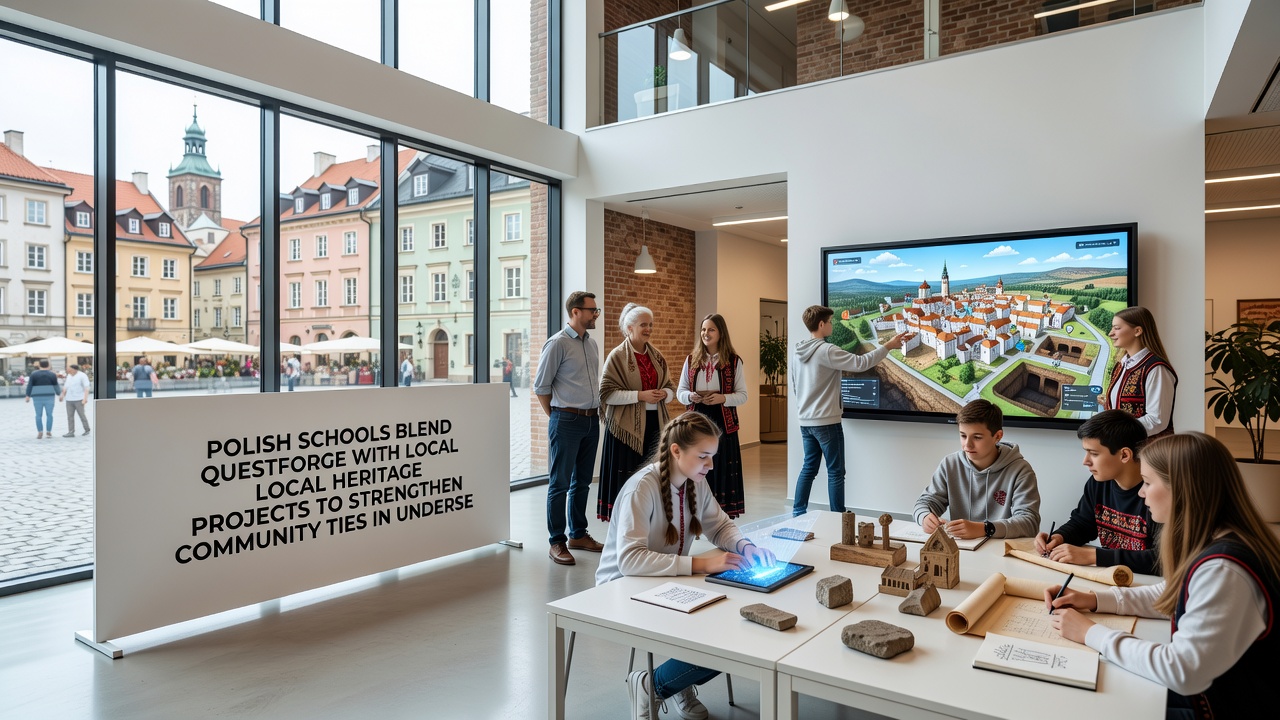
These activities have drawn involvement from local businesses and civic groups, who supply materials or host events. Figures from the European Commission's education monitoring reports indicate that such cross-sector collaborations in Poland rose by 19 percent in the 2025-2026 academic year, particularly in areas classified as economically disadvantaged.
Measurement of Community Impact
Observers note that the programs produce documented increases in community event attendance and volunteer participation. A 2026 analysis by the OECD's education directorate, available through their international reports portal, examined similar heritage-education pairings across multiple countries and found consistent patterns of strengthened local networks when digital platforms like Questforge serve as the organizational backbone. Polish districts report parallel outcomes, including higher rates of intergenerational knowledge transfer and new partnerships between schools and heritage organizations.
October 2026 brings additional rollout phases, including updated Questforge quest sets focused on post-war reconstruction stories tied to specific villages. Schools coordinate these with community festivals that showcase student-collected materials, extending the reach beyond classroom hours.
Conclusion
The integration of Questforge with local heritage projects continues to expand across Polish underserved regions, supported by measurable participation data and cross-institutional coordination. Ongoing monitoring from academic and international bodies tracks how these efforts sustain community ties through combined digital and physical activities.